Side FX
Project Pegasus
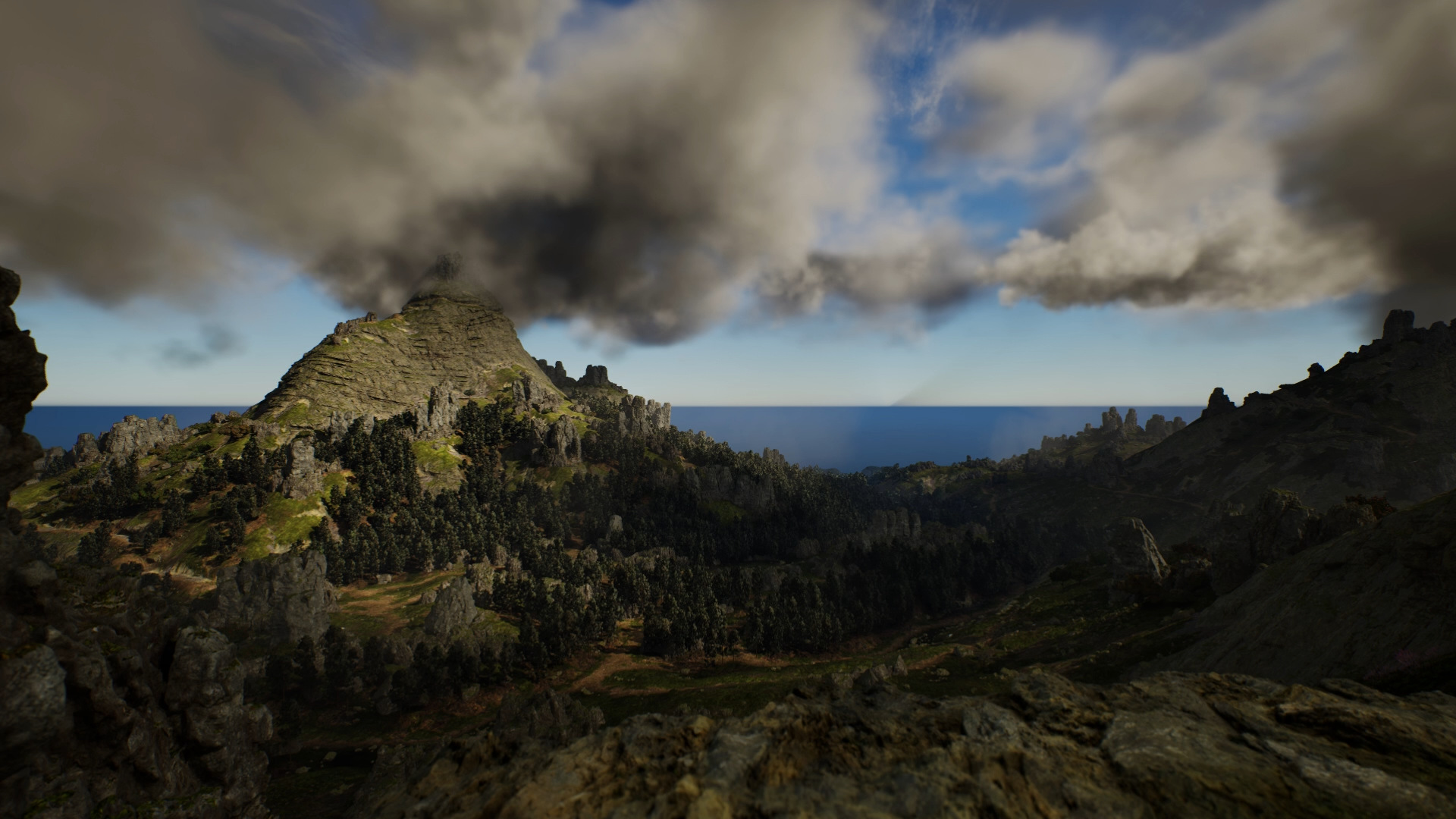
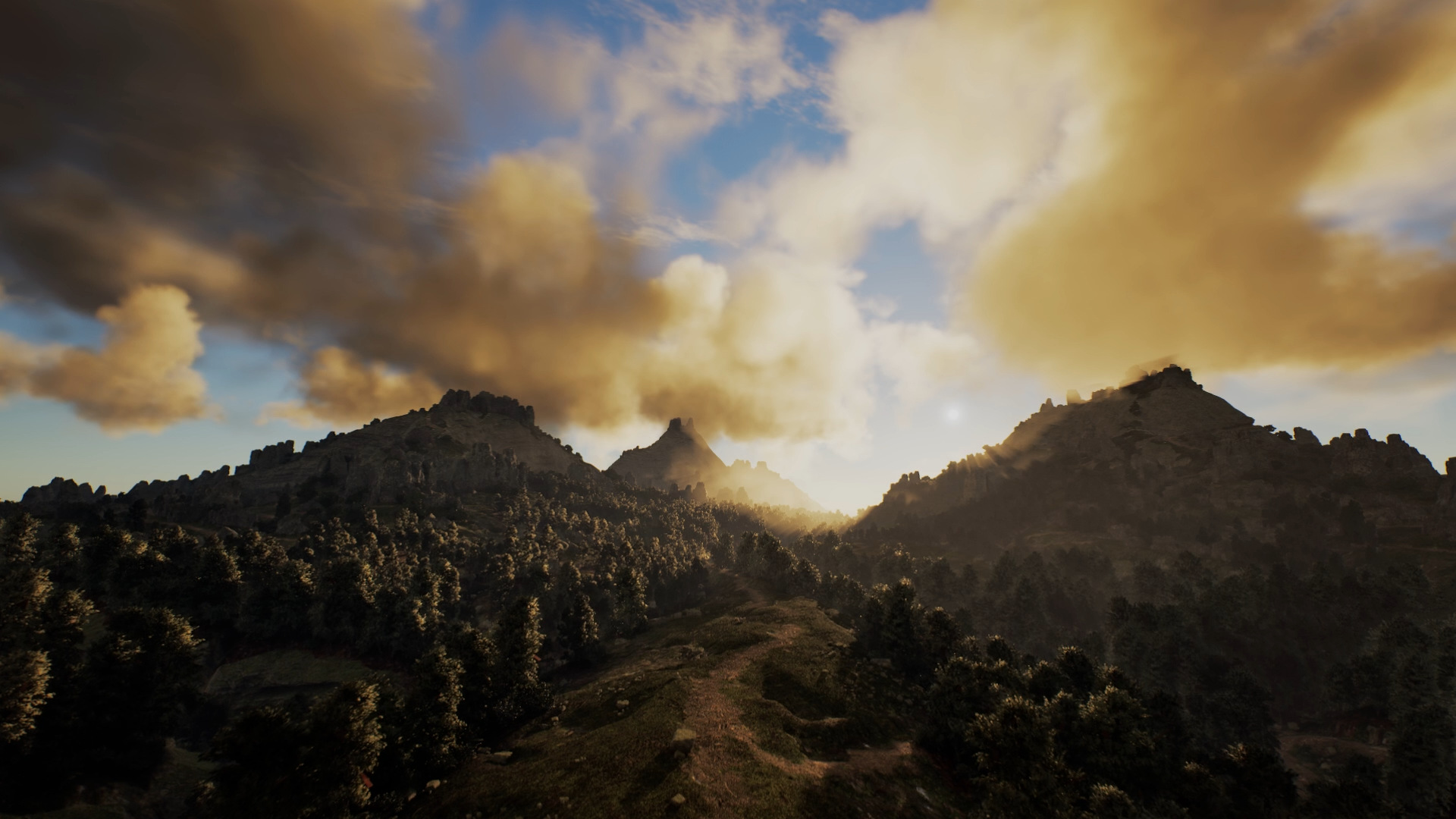
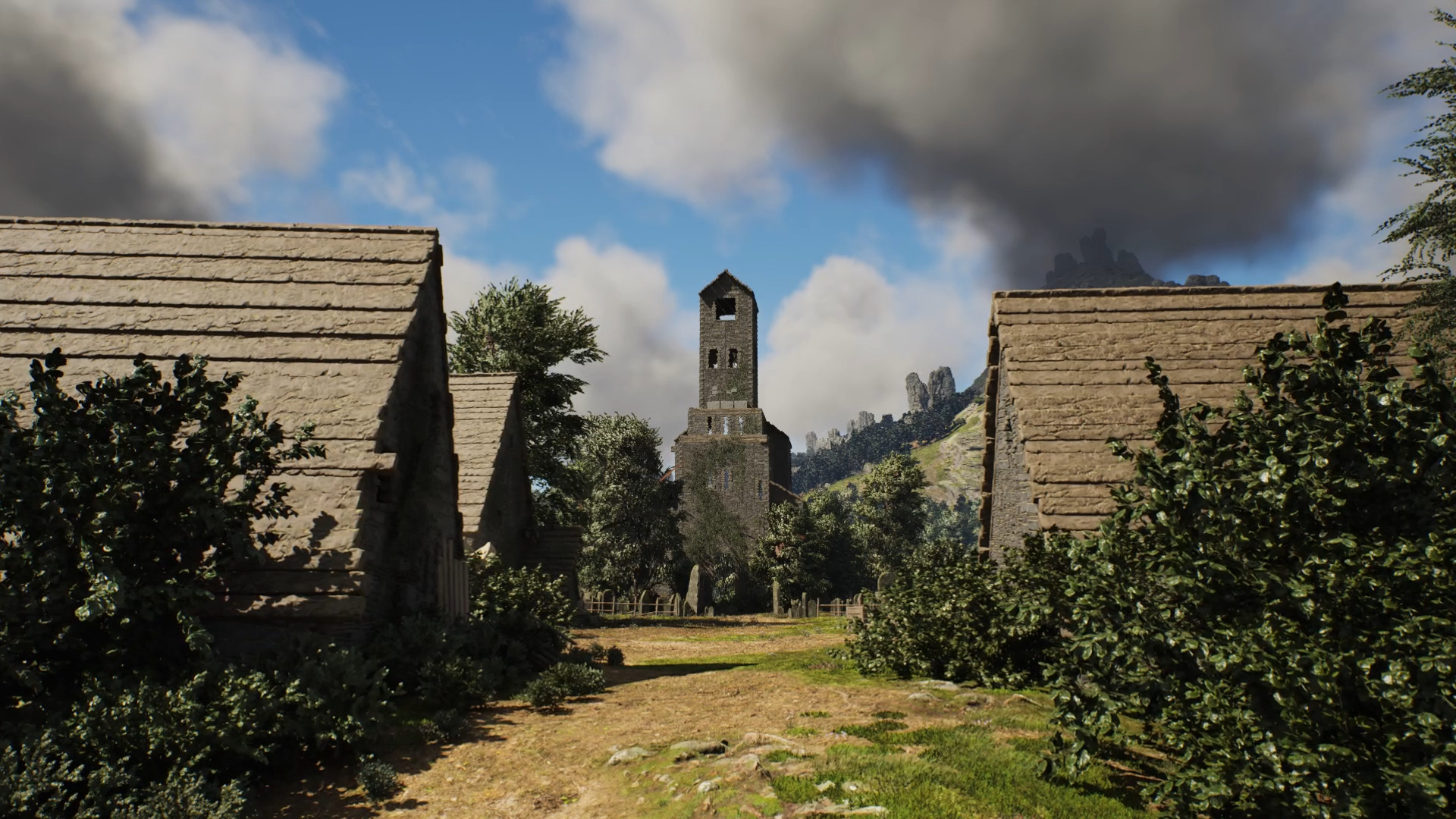
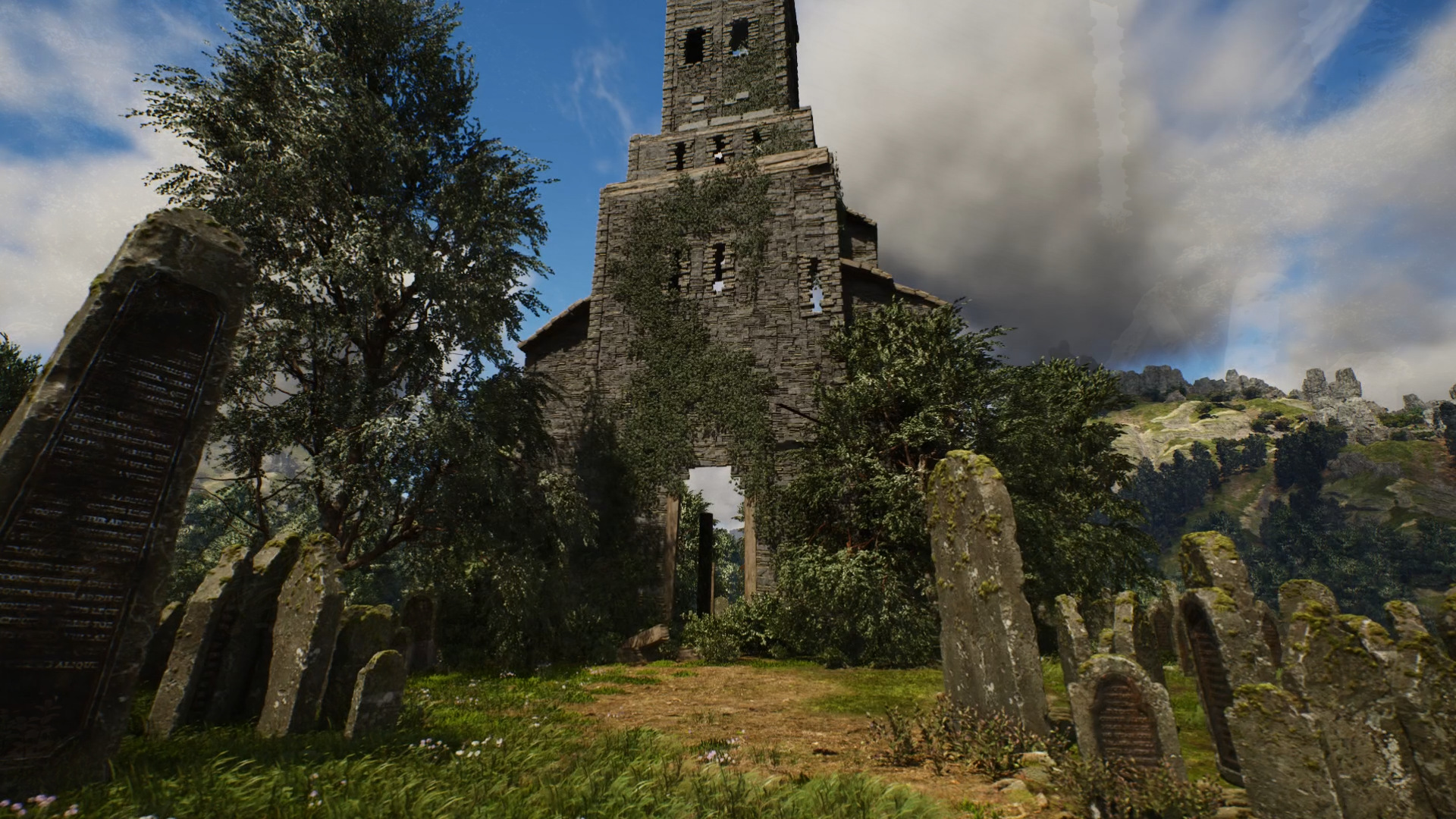
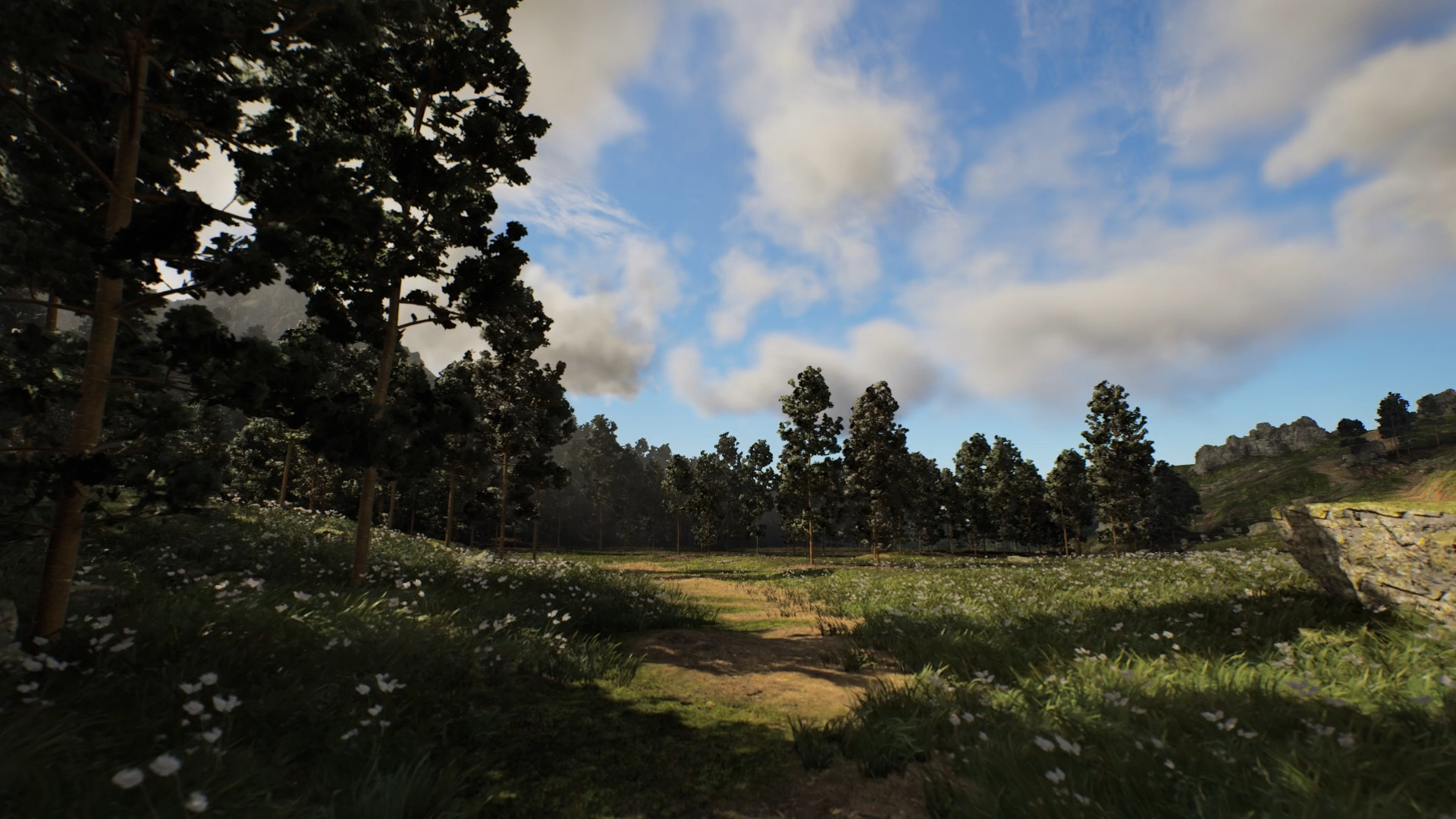
I was the Project Lead on Project Pegasus, a technical learning demo from SideFX, designed to showcase procedural workflows for creating large, open-world environments using Unreal Engine 5 and Houdini.
In this role, I defined the project’s concept and scope, supervised and managed the team throughout production, and developed learning content. Additionally, I contributed to the creation of workflows and tools for landscape, environment, and prop art.
Find out more at sidefx.com/pegasus.
Learning Pathways
Along with the Pegasus team, I developed a variety of learning pathways designed to demonstrate the diverse applications of Houdini in creating environment art for large open-world projects. These pathways covered procedural modeling, terrain generation, asset creation, and workflow integration to provide greater artistic flexibility.
Landscape Creation
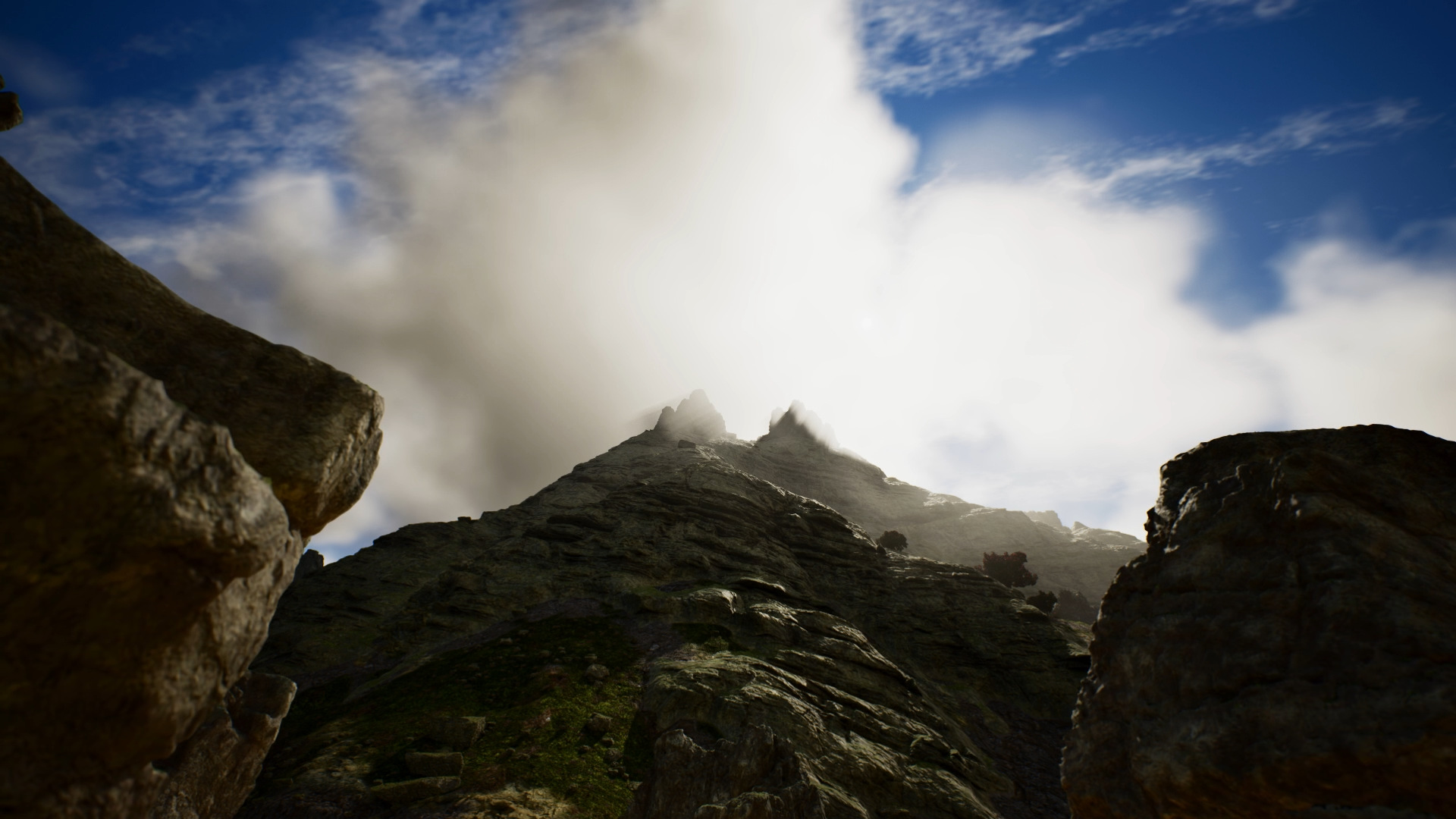
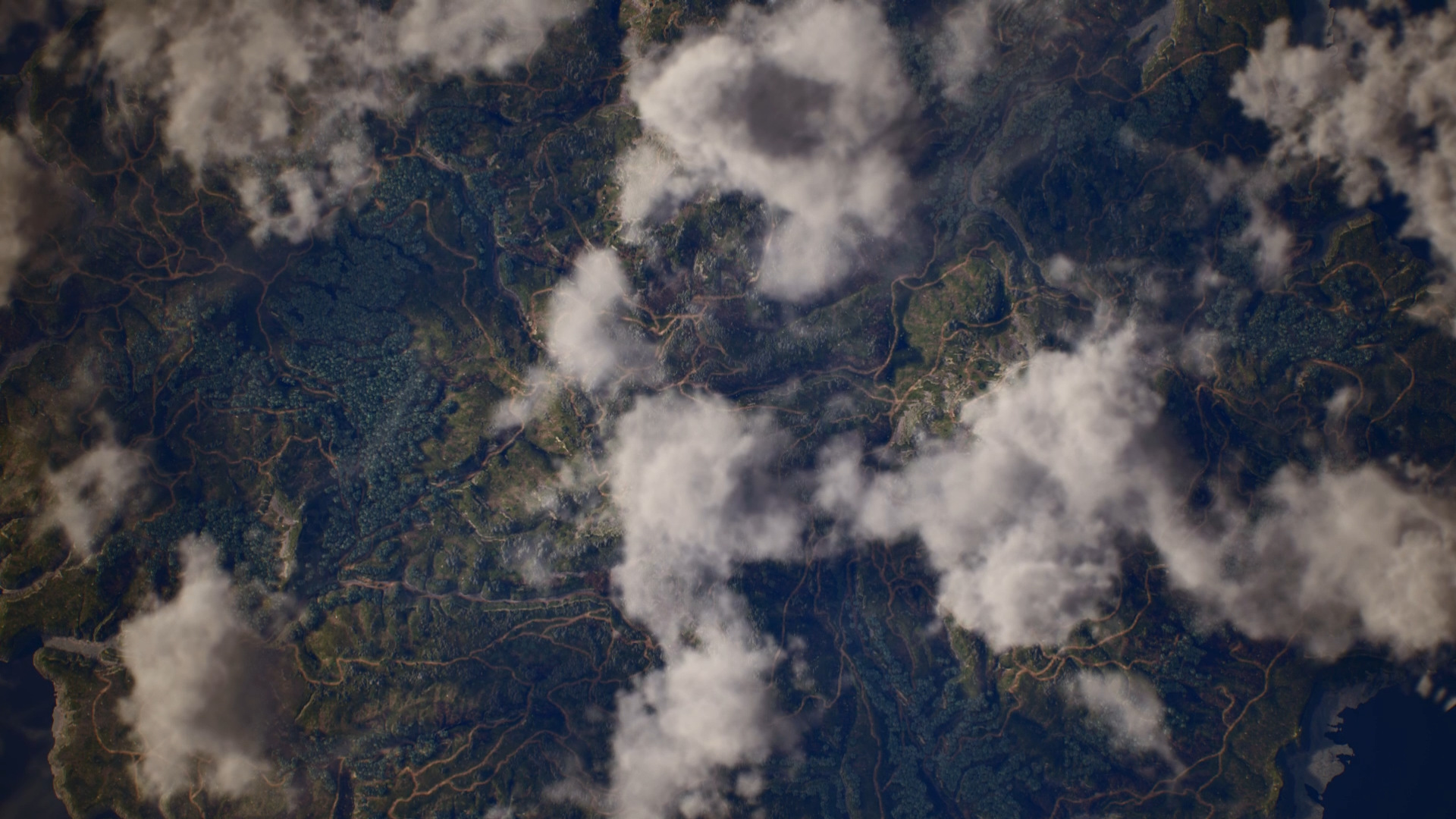
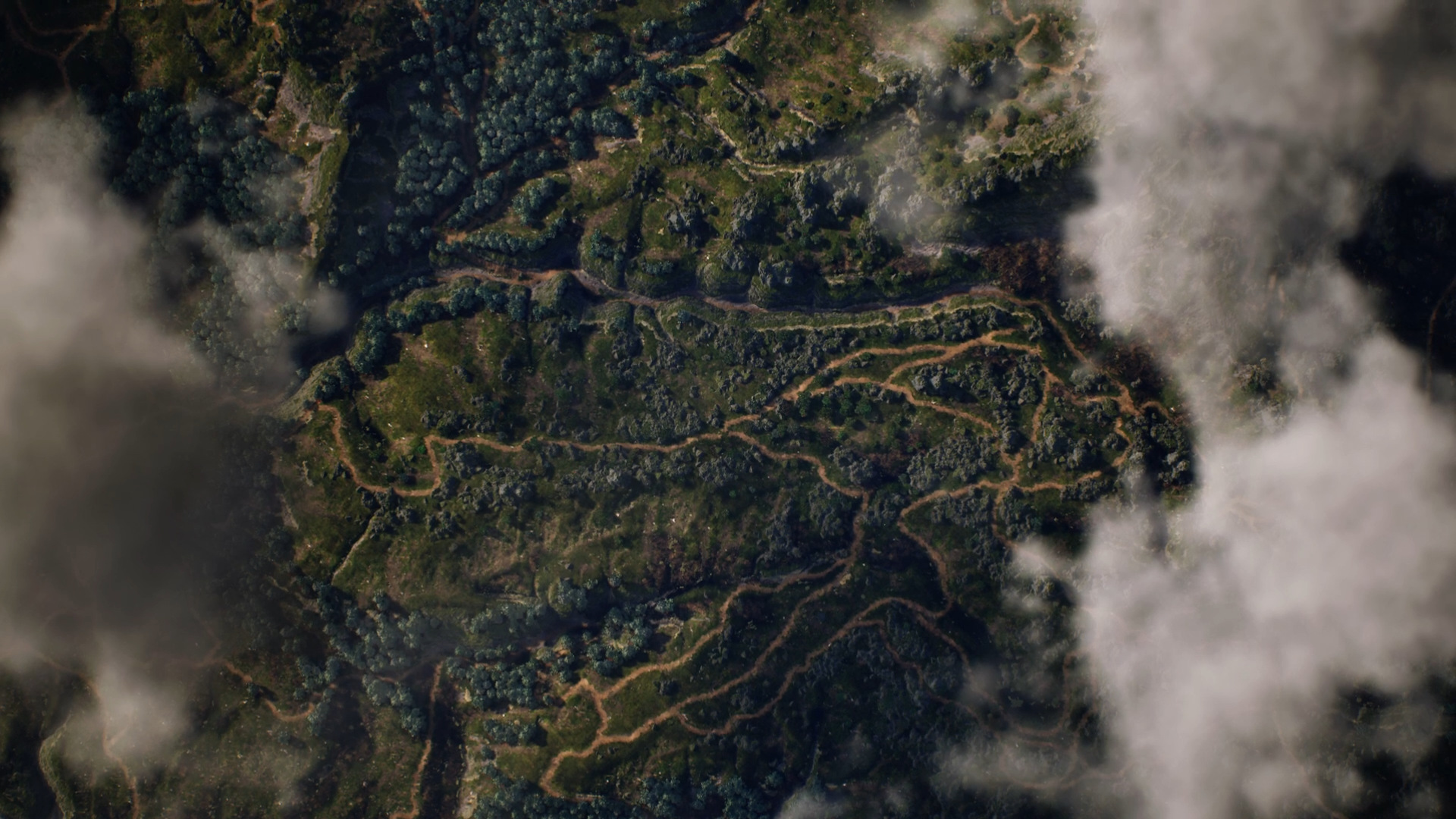
Project Pegasus features a 4-kilometre-wide island with valleys, forests, and dirt paths all inspired by the Scottish landscape. These lesson explore the Heightfield Erode tool, providing an in-depth look at each parameter and its function. Users learn how the landscape for Project Pegasus was created and imported into Unreal Engine as a Houdini Digital Asset.
Watch all the lessons at: sidefx.com/tutorials/project-pegasus-landscape-creation
Procedual Cliffs with PDG
Project Pegasus aimed to leverage Unreal Engine 5 features like Nanite to achieve a high level of detail. I developed a procedural workflow to generate cliffs that enhance the landscape’s complexity. Using Houdini’s Procedural Dependency Graphs, I built a system to generate procedural cliffs across the entire island.
The workflow involved creating Houdini Digital Assets that extract cliff geometry from the landscape and generate detailed cliff meshes. I then used a Procedural Dependency Graph to automate the execution of these assets, enabling efficient generation of hundreds of unique cliffs.
Watch all the lessons at: sidefx.com/tutorials/project-pegasus-cliff-generation
Procedual Props
For Project Pegasus, I developed several tools and workflows, including a pile tool. This tool allows a level designer to input multiple objects, which then undergo a rigid body simulation to create realistic stacked piles or debris. The tool is designed for use both in Houdini and Unreal Engine.
I also demonstrated how to use Procedural Dependency Graphs (PDG) to automate the generation of variations of procedural assets. The PDG network converts basic input meshes into detailed high-poly models that can be imported into Unreal Engine using Nanite.
Watch all the lessons at: sidefx.com/tutorials/project-pegasus-pile-tool/ and sidefx.com/tutorials/project-pegasus-nanite-props-pdg/.
Learning Trailer
Early Blockout and Paint-overs
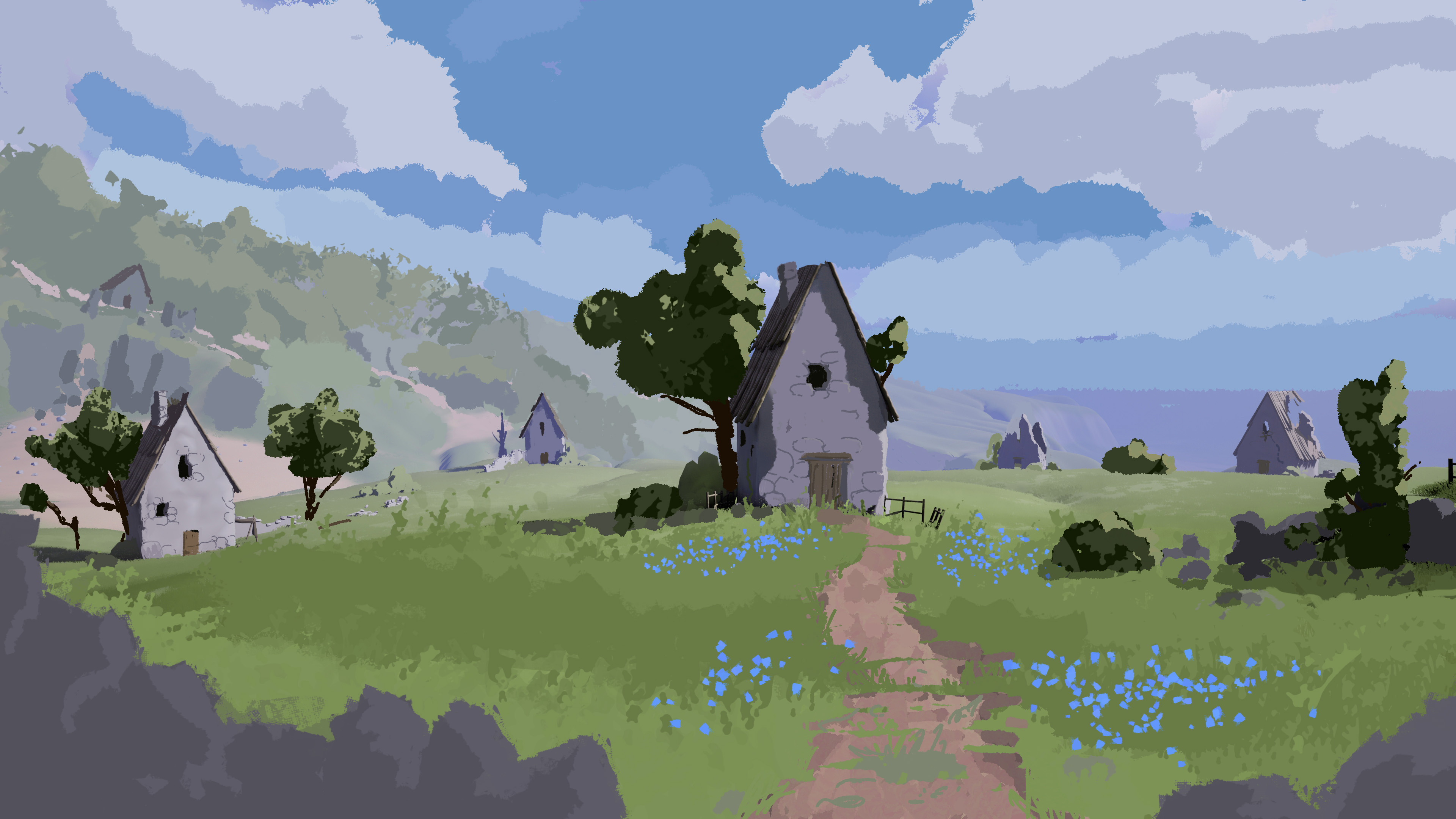
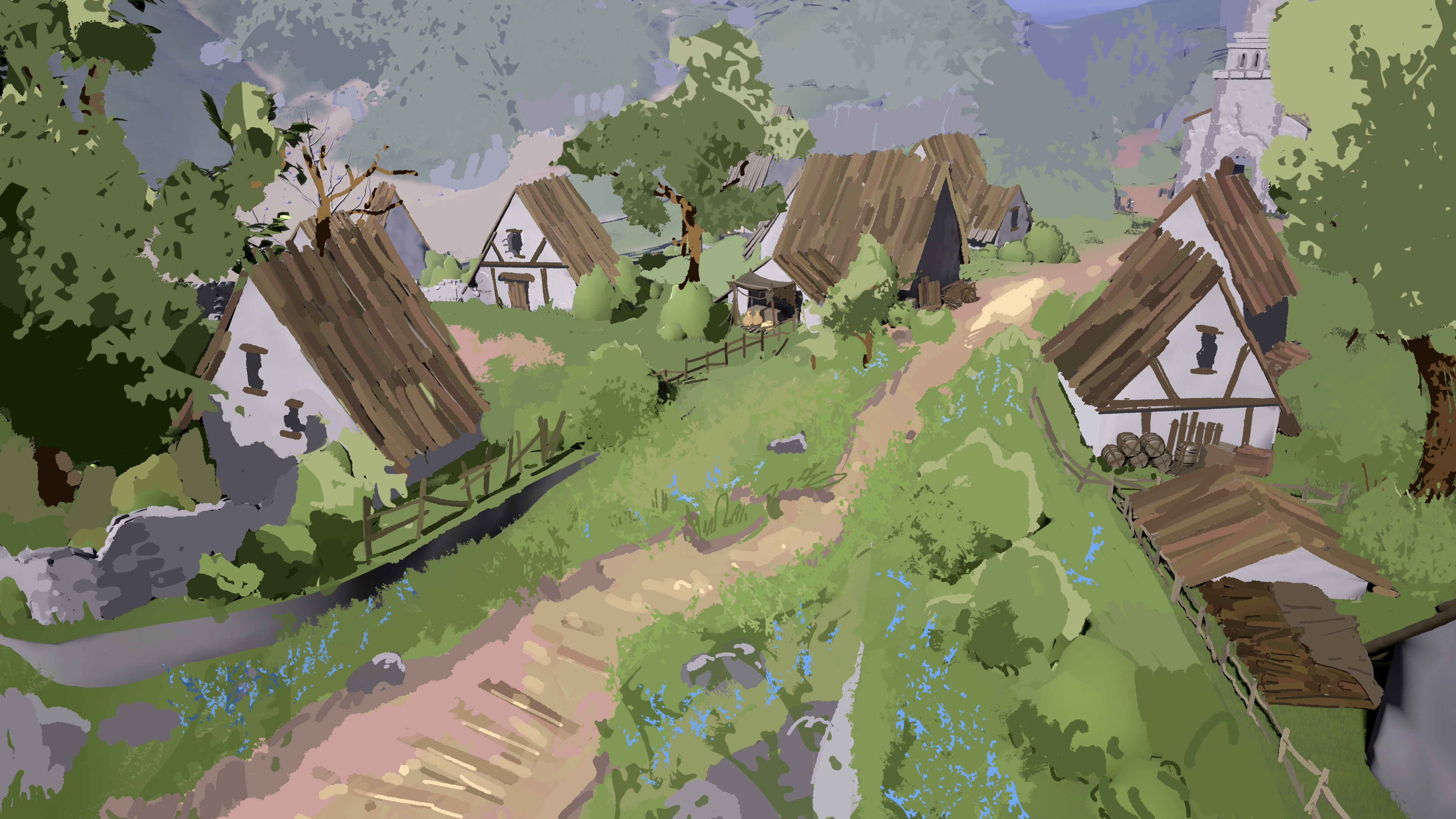
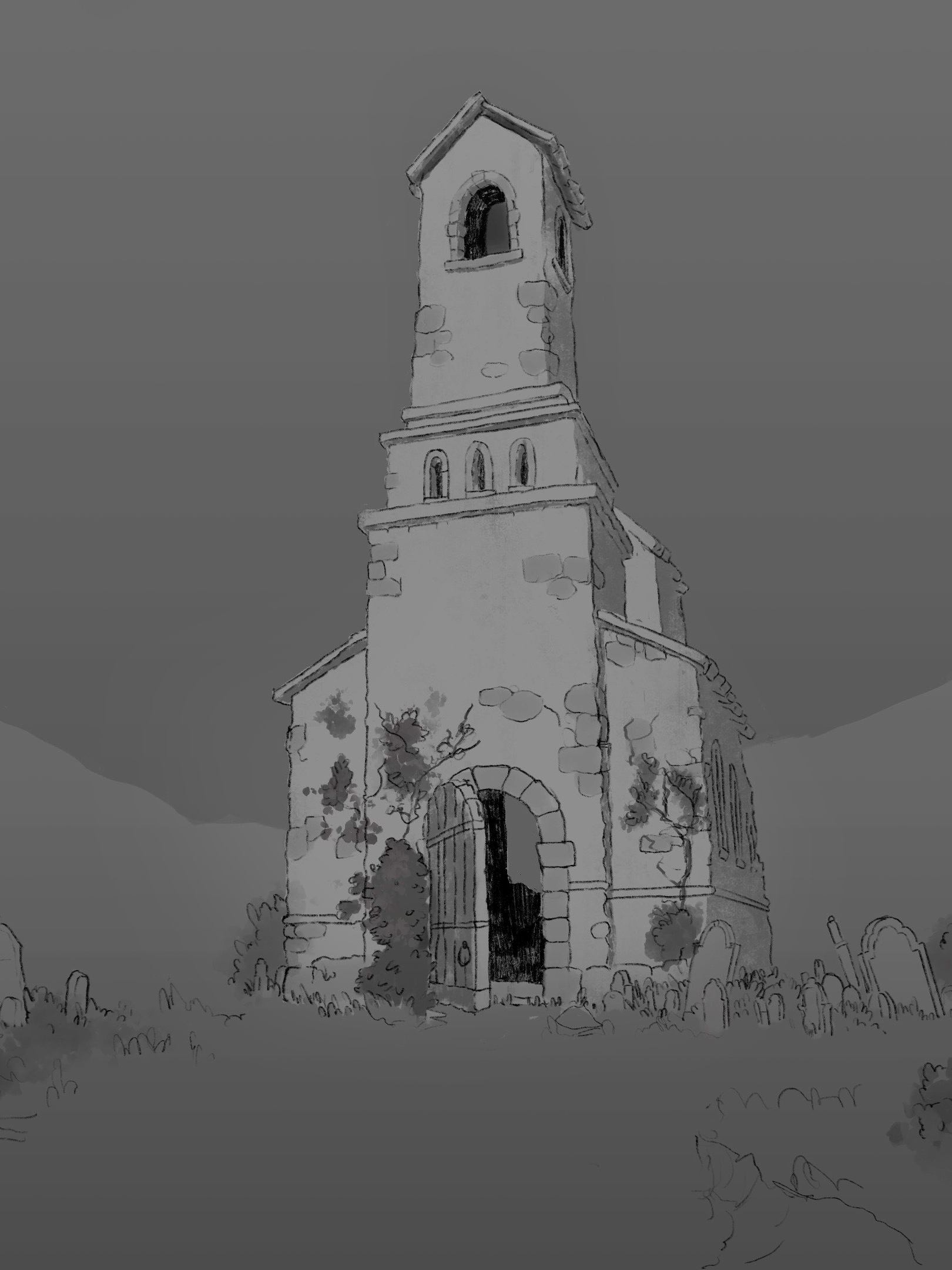
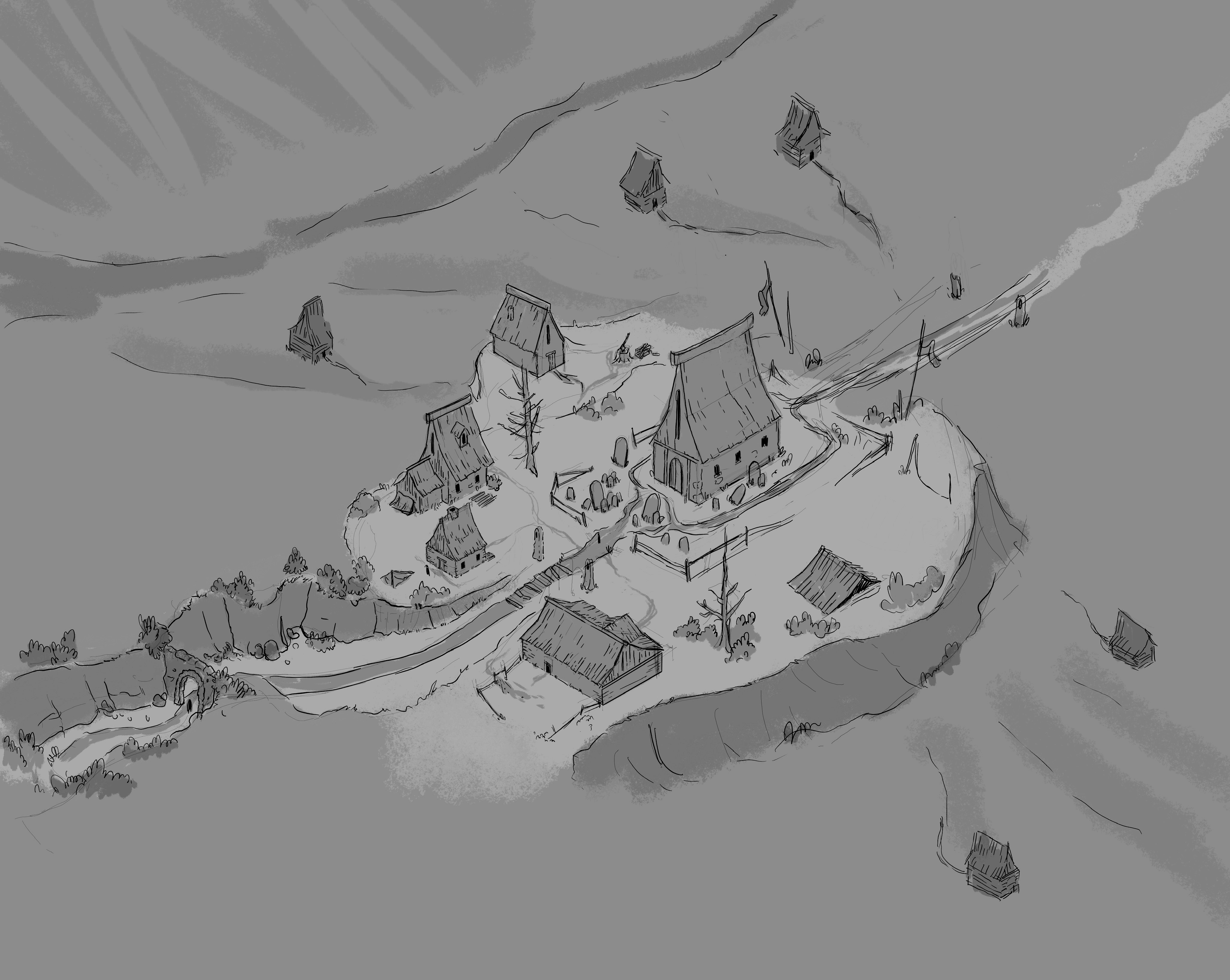
I was responsible for creating the initial block-out for Project Pegasus. After defining the project’s scope and completing the block-out, I began assembling the Project Pegasus team. To onboard artists and provide feedback, I created sketches and paint-overs throughout the process.
Sketches and Paint-overs